GoAbroad 2026 connects emerging founders from Central Asia with investors, mentors, and the global technology ecosystem.
In August, many of the participating startups had little more than an idea and a ten-slide pitch deck. By October, their founders were engaging with the global technology community at TechCrunch Disrupt 2026 in San Francisco, one of the world’s major technology conferences.
This was the culmination of GoAbroad 2026, an accelerator programme designed to help startup founders from Central Asia prepare for international expansion and gain practical exposure to the US market.
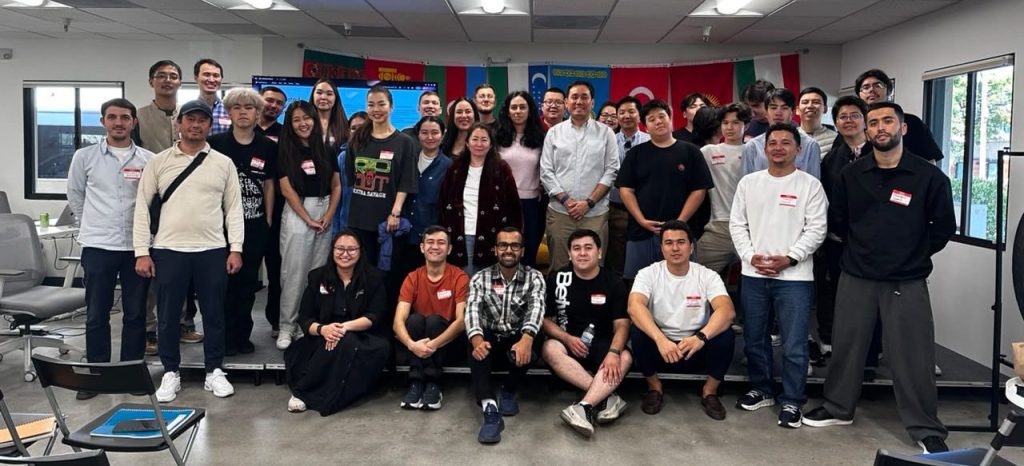
Implemented by the Sustainable Innovation and Technology Foundation (SITF) in partnership with Silkroad Innovation Hub and supported by NU Impact Foundation, the programme brought together 20 startups working across a range of fields, from artificial intelligence to deep technology applications in medicine and industry.
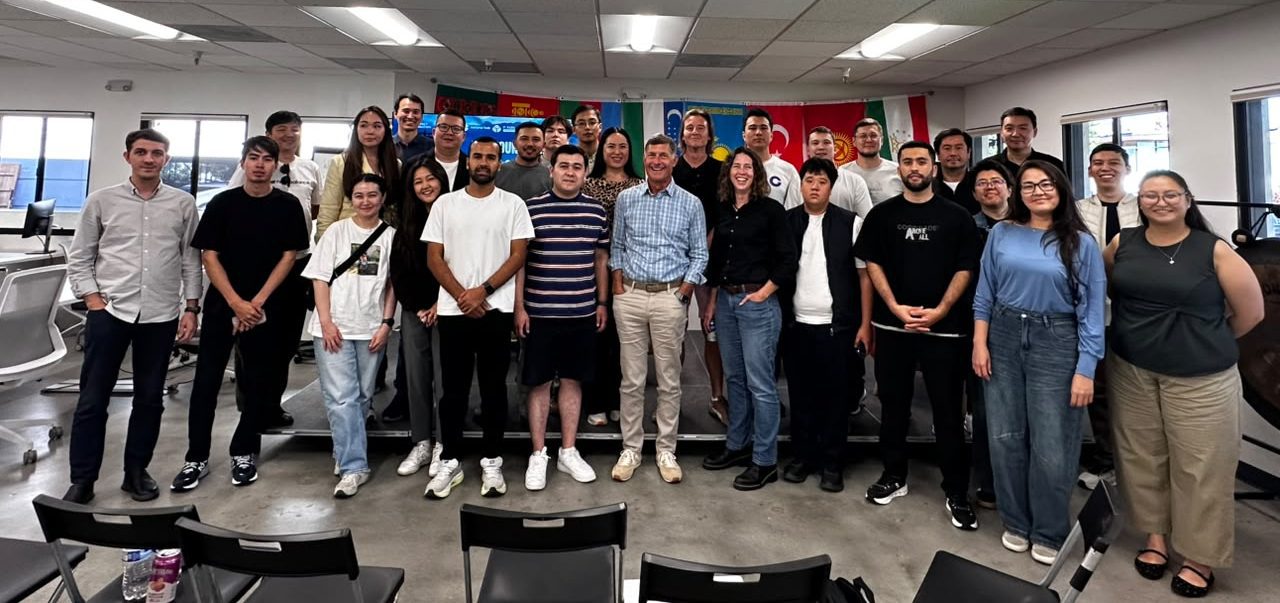
For founders seeking to build global companies from Central Asia, the experience offered more than training. It provided an opportunity to connect directly with Silicon Valley’s entrepreneurial ecosystem, receive feedback from experienced mentors, and better understand what it takes to enter the US market.
Turning Ambition into Global Readiness
Expanding into the United States is a significant challenge for early-stage startups. Founders must navigate unfamiliar legal and tax requirements, refine their value propositions, understand investor expectations, and develop effective sales strategies for a highly competitive market.
GoAbroad 2026 addressed these challenges through a structured programme combining online preparation, mentorship, practical learning, and an in-person experience in Silicon Valley.
The programme began with a two-week online intensive from September 15 to 26. During this stage, participants refined their pitch decks, explored the fundamentals of investor negotiations in the United States, and learned about the legal and tax considerations involved in establishing a business abroad. The online phase concluded with startup pitches before a jury.
Participants also explored intellectual property protection, US sales strategies, and American business culture. Dedicated sessions on deep tech helped founders develop roadmaps for their companies and adapt their investor presentations to the expectations of the venture capital community.
Through the VC 101 and VC 102 sessions, founders gained insights into how venture capital works in Silicon Valley. Mentoring sessions provided additional feedback on their business models and development plans.
Beyond the Classroom: Inside Silicon Valley
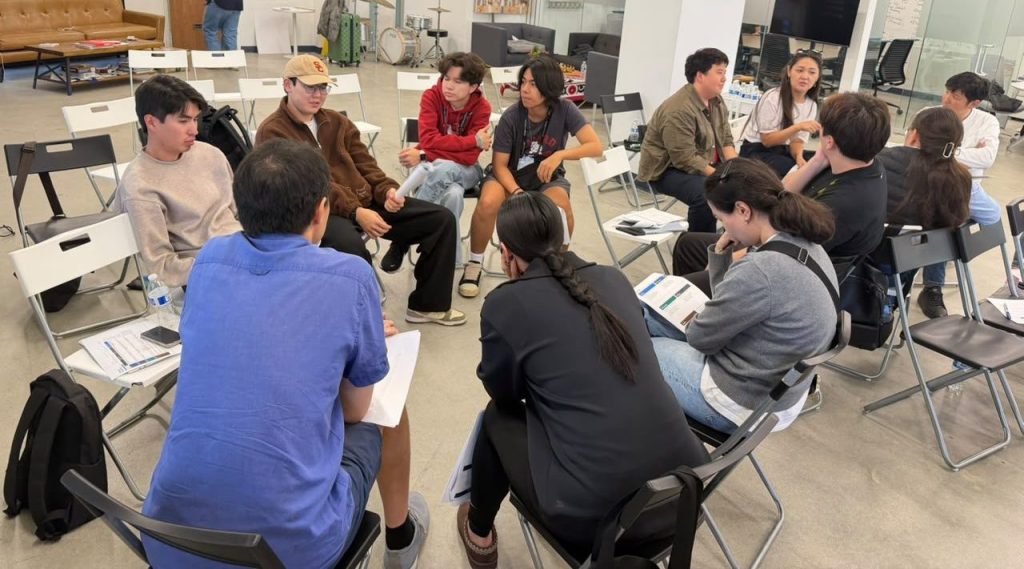
The programme’s in-person component gave founders access to experiences that are difficult to replicate remotely.
Participants visited research laboratories, Stanford University, and StartX, the startup accelerator and entrepreneurial community associated with Stanford. These encounters offered opportunities to explore the connections between research, innovation, entrepreneurship, and commercialisation.
The experience culminated in participation in TechCrunch Disrupt 2026 in San Francisco.
With additional preparation in cross-cultural communication and lead generation, the founders were better equipped to present their companies to an international audience, initiate conversations, and explore potential business connections.
For emerging startups, these interactions can be an important step toward building relationships with investors, prospective partners, and other founders who understand the realities of scaling technology businesses.
Deep Tech Takes Centre Stage
One of the notable aspects of this year’s programme was the strong representation of deep tech startups.
According to Bakyt Ospanova, Programme Director at SITF, the initiative received approximately 100 applications in 2026. Thirteen startups made it to the in-person bootcamp in Silicon Valley, while some founders were unable to attend because of visa challenges.
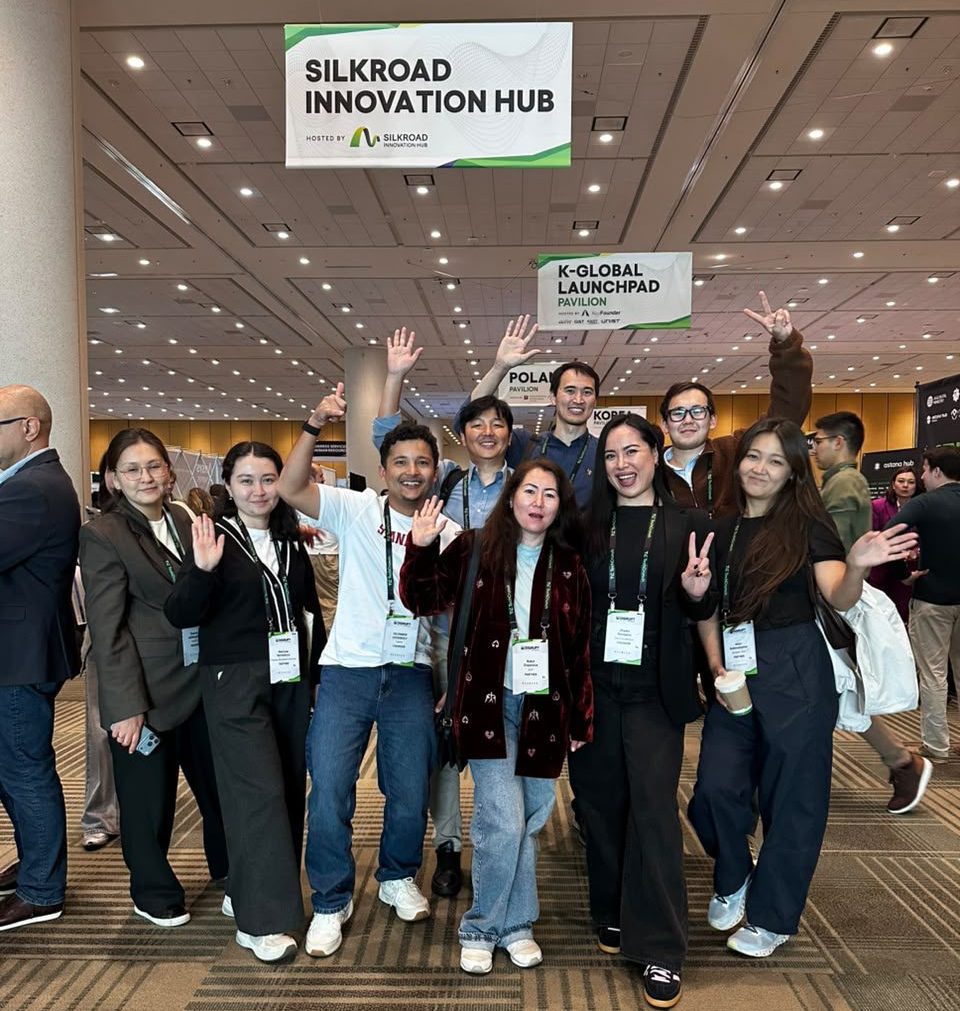
Ospanova also highlighted that nearly half of the participating startups were in deep tech, with products grounded in scientific research.
This reflects an important dimension of Central Asia’s innovation potential. The region’s emerging technology ecosystem is not limited to digital services and software products. It also includes founders working to translate scientific knowledge and technical research into solutions for medicine, industry, and other sectors.
Turning research into commercially viable products requires specialised expertise, patient investment, strong intellectual property strategies, and access to international markets. Programmes that connect founders with experienced mentors and investors can help them better understand these requirements.
Building Bridges Between Central Asia and Global Markets
For Central Asian entrepreneurs, access to international networks remains one of the major barriers to growth. Strong ideas and technical capabilities alone may not be enough when founders lack direct access to venture capital, experienced mentors, and potential customers abroad.
GoAbroad seeks to narrow this gap by creating practical pathways into the global startup ecosystem.
Aset Abdualiyev, CEO and founder of Silkroad Innovation Hub, noted that the programme has evolved over its three years of operation, with founders arriving better prepared and their startups becoming stronger with each cohort.
He emphasised the value of spending time in Silicon Valley, where direct conversations with investors and mentors help founders gain a clearer understanding of the American market.
The programme’s impact extends beyond the founders who participate in each cohort. As entrepreneurs build international relationships and gain experience navigating global markets, they can contribute to a stronger regional startup ecosystem and share their knowledge with other innovators.
A Growing Pipeline of Central Asian Startups
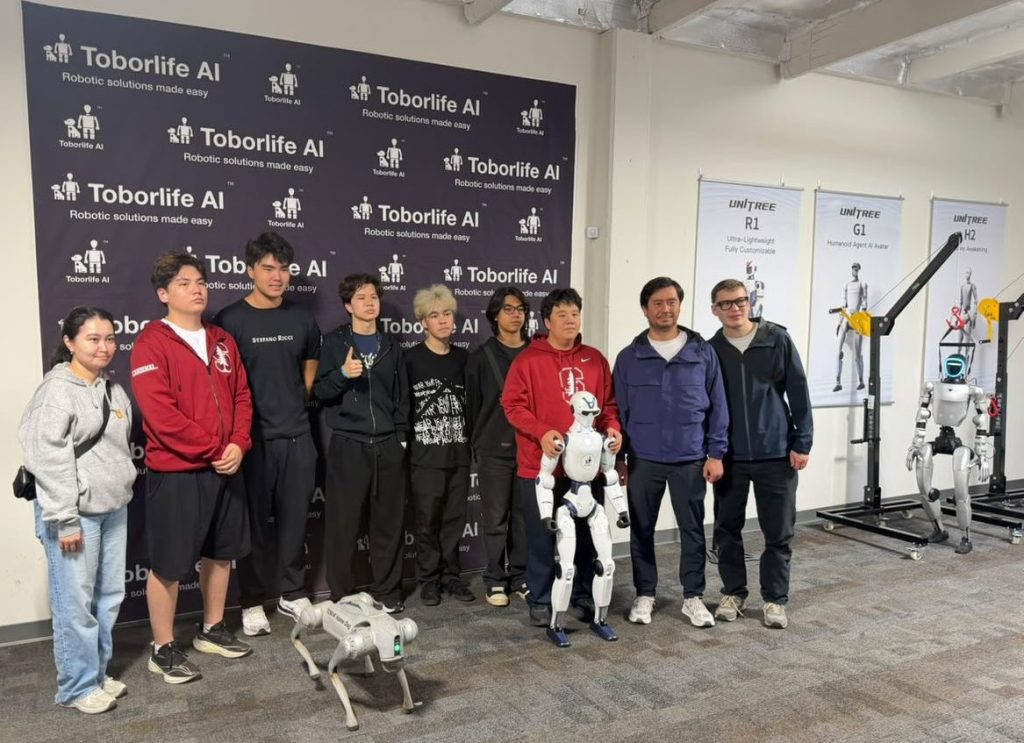
GoAbroad launched in 2024 with the ambition of supporting founders from Central Asia who want to build globally competitive companies.
Including the 2024 and 2025 cohorts, the programme has supported 57 startups, with nine having appeared on the TechCrunch Disrupt stage in San Francisco.
These figures point to a growing pipeline of entrepreneurs seeking opportunities beyond their home markets.
For Central Asia, developing globally connected startups is not only about individual business success. It is also about strengthening the region’s innovation capacity, encouraging collaboration across borders, and helping local founders participate more actively in the international technology economy.
What Comes Next?
The journey from an early-stage idea to an internationally competitive company rarely follows a straight line. A pitch deck can open a conversation, but building a sustainable business requires execution, customer validation, a strong team, and long-term relationships.
GoAbroad 2026 offered participating founders an opportunity to take the next step: to test their narratives, challenge their assumptions, and connect with people who could help them navigate the complexities of international expansion.
For Central Asia’s startup ecosystem, the broader lesson is clear. Global ambitions become more achievable when founders have access not only to knowledge, but also to the networks, experience, and opportunities needed to turn that knowledge into action.
As more startups from the region pursue international markets, initiatives that bridge local innovation with global ecosystems may play an increasingly important role in shaping the next generation of Central Asian technology companies.
About GoAbroad: GoAbroad is an accelerator programme for startup founders from Central Asia, implemented by the Sustainable Innovation and Technology Foundation (SITF) in partnership with Silkroad Innovation Hub, with support from NU Impact Foundation.